Supporting Your Manufacturing Methodology with Digital Solutions
Walk onto almost any Medical Device or Pharma manufacturing floor and you’ll find a system already at work – Tiered Meeting, Visual Management Boards, KPI trackers, Leader Standard Work and other tools. Today, digital solutions for manufacturing can strengthen these established ways of working without replacing the methodology behind them.
Whether you call it a Manufacturing System, an Operational Excellence framework, or simply “the way we run the site,” it’s the operating model that keeps quality, output, and compliance moving in the same direction.
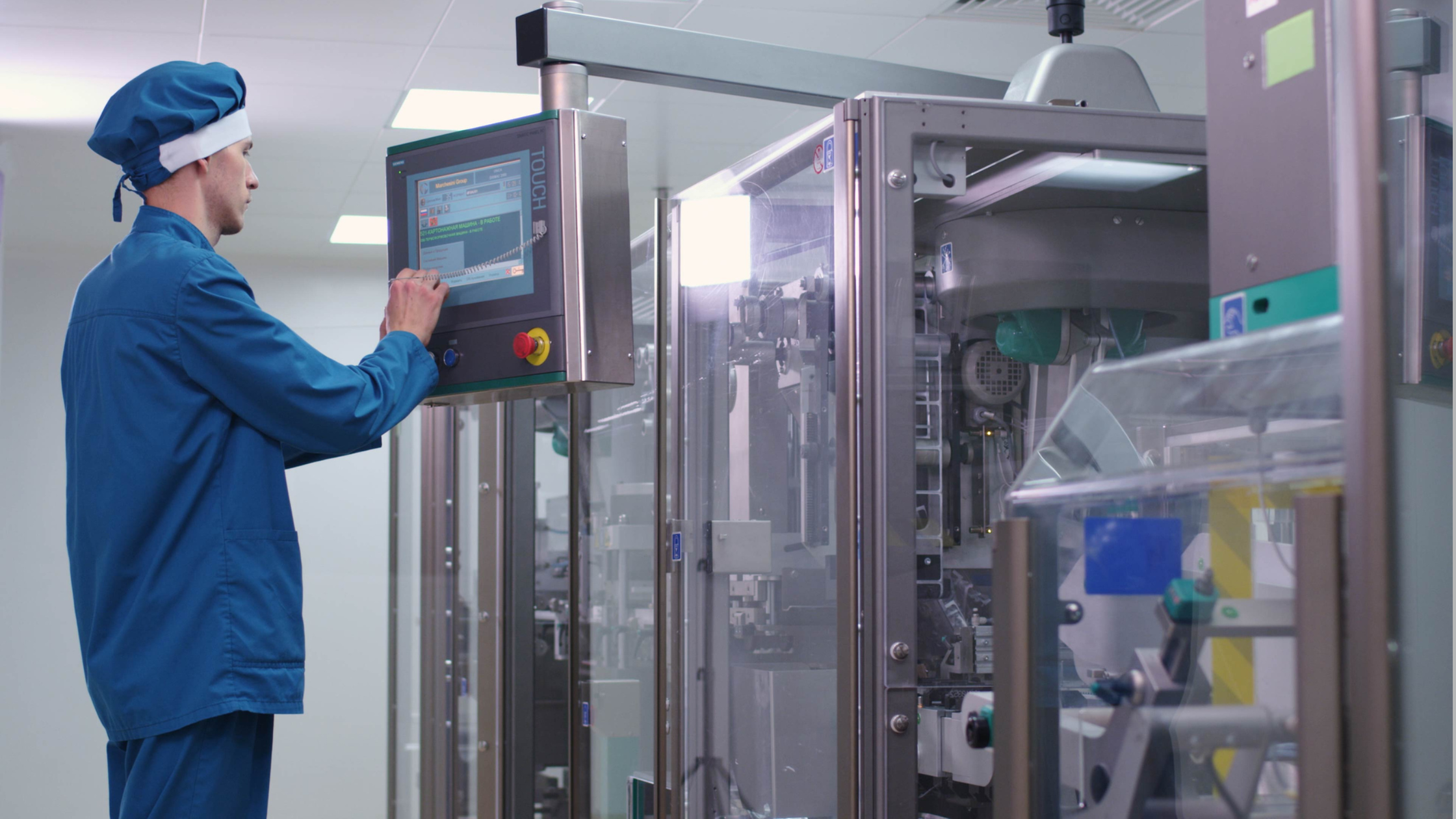
The Gap Between the System and the Tools
Most manufacturing systems were designed around a philosophy — Lean, Six Sigma, TPM etc. — and then implemented using whatever was on hand: whiteboards, laminated sheets, Excel trackers, and in more recent time – a patchwork of point solutions that don’t talk to each other.
While the methodology is sound, the execution layer underneath it is often manual, fragmented, and disconnected from the very data systems (ERP, manufacturing execution systems (MES), LIMS, eQMS) that could make it real-time.
The result is often some mix of the following:
- Tier 1 boards that show yesterday’s numbers because someone has to manually pull, print and transcribe them
- KPIs mean something different in different systems and are presented and interpreted differently
- Excellent CI ideas and action items are tracked on paper, then re-keyed into a spreadsheet, and often forgotten
- No line of sight from a shift-floor metric all the way up to a site level KPI
- A large amount of “busy work” across all departments where people are wasting time every day
None of this is a methodology failure. It’s a digitization gap and a reluctance to embrace digital to support your “system”.
What “Digital” Should Actually Mean Here
Digitizing a manufacturing system shouldn’t be about replacing the methodology with software. It should be about giving the methodology a nervous system — connecting the tools people already trust (tiered meetings, visual management, structured problem solving) to the data that already exists in ERP, MES, LIMS, and other systems, so the system runs on real numbers instead of manual re-entry. The goal is not to add more software for its own sake. The real value comes from integrating software systems so information can move reliably across the operation.
It should also be about leveraging tools to eliminate and automate “busy work” which are non value-add and prevent people from having more time to actually analyse the numbers and work with their team to meet their objectives and drive improvements.
When done well, custom manufacturing applications and connected digital tools can support your system in practical ways:
Real-time, single-source of truth KPIs. metrics pulled directly from source systems and cascaded automatically from line to site level — so every tier is looking at the same number, not their version of it.
Digital Tier boards and huddle tools. The same structure that teams already use, just live, auditable, and accessible without someone printing and updating whiteboards before every shift.
Connected actions and CI tracking. Ideas, actions, and root-cause investigations captured once, routed to the right owner, and closed out with electronic audit trail — instead of living in multiple different excel trackers in different network or sharepoint locations
Automation of repeatable tasks. Daily routine tasks are optimised and automated, freeing up time for key resources to add value and work on activities that help them develop and support the sites objectives.
Why This Matters More Now
Sites are under pressure to do more with the same headcount, demonstrate compliance more efficiently, and give leadership visibility without adding administrative burden to operators and technicians.
There is an expectation now to leverage digital tools in all aspects of the business.
Embracing Digital doesn’t have to affect teamwork and culture – when done right it should support the behaviours and culture you are trying to build. It should help drive accountability not remove it. There is a balance.
Where to Start
You don’t need to digitize everything at once. The methodology stays constant. The digital layer underneath it gets built out incrementally, validated as it goes. This is particularly important when developing custom software for regulated manufacturing, where compliance and validation need to be considered from the outset.
The approach of Simplifying first, then Standardise and then Digitise is normally a good approach to take.
That’s the work we do at Dataworks: creating custom digital solutions that help regulated manufacturing sites connect their manufacturing system and lean methodology to the digital tools and data already sitting inside their four walls so that their manufacturing system runs the way it was designed to, on real-time data, with the correct balance of human interaction and digital productivity tools.
If your manufacturing system is running on whiteboards, spreadsheets, and re-keyed data, let’s talk about what closing that gap could look like for your site.
Ready to Close the Digital Gap?
Explore how Dataworks can help you connect your manufacturing methodology, people and existing systems through practical digital solutions.
Visit our Digital Transformation page to download the one-page overview, access the four-page Digital Transformation Playbook, or book a discovery call with our team.
[Explore Your Digital Transformation Options →]